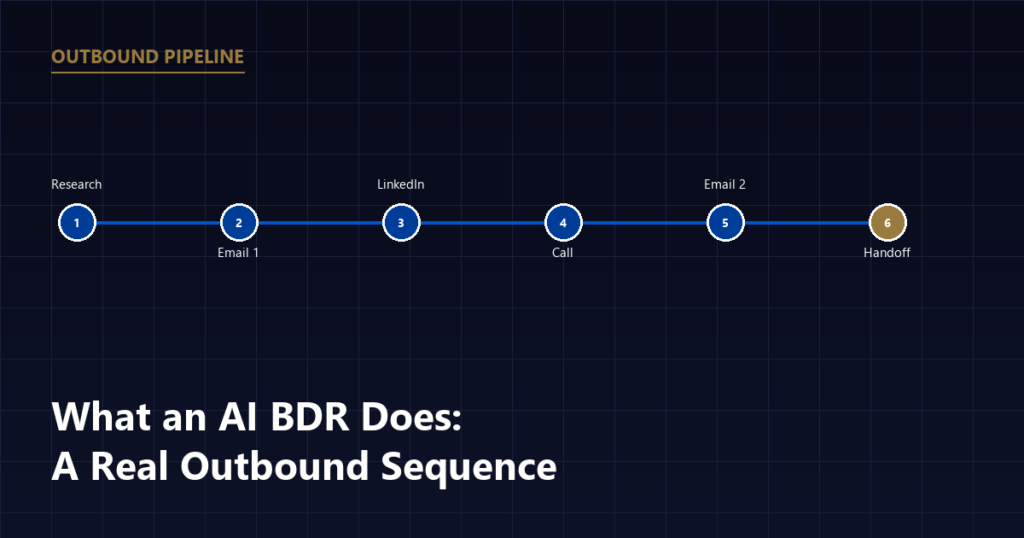
An AI BDR (business development representative) is an AI agent that handles outbound prospecting, researching leads, sending initial outreach, and following up across multiple touches, so a human sales rep only steps in once a prospect responds or is ready to talk. It runs the repetitive early outreach work a human BDR would otherwise do by hand.
The Job an AI BDR Is Actually Doing
A human business development representative spends most of their day on a repeatable loop: find a prospect that fits the target profile, find a way to reach them, send an opening message, follow up if there is no response, and log what happened. It is necessary work, and it is also the most mechanical part of a sales role.
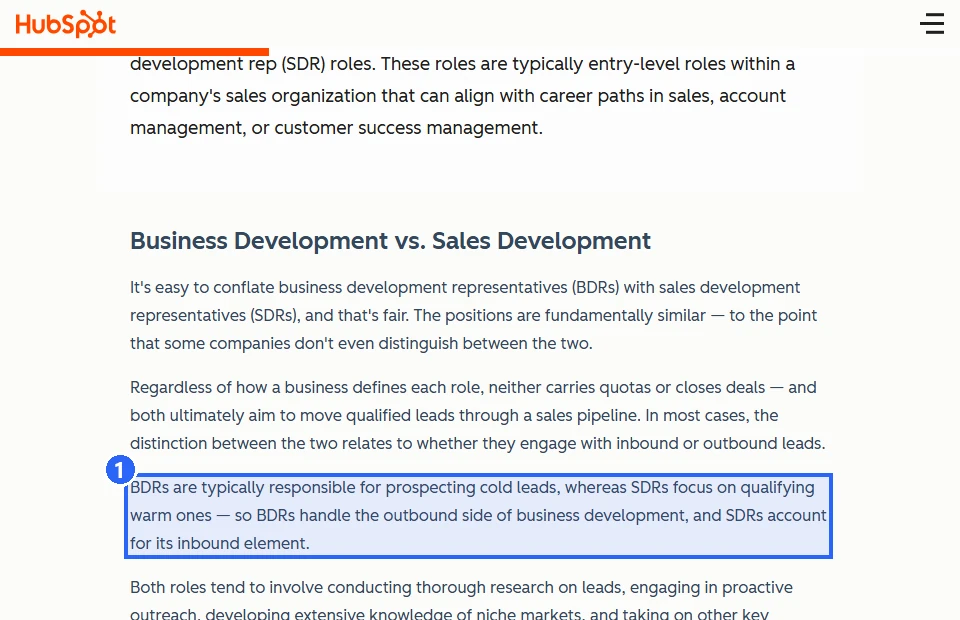
An AI BDR automates that loop. It does not replace the strategic parts of sales: deciding who the ideal customer actually is, crafting the value proposition, negotiating terms. It takes over the execution of outreach once those decisions have been made. HubSpot’s explainer on the role draws the same line: BDRs are typically responsible for prospecting cold leads, while SDRs focus on qualifying warm ones, so BDRs handle the outbound side.
The table shows where the work moves and where it does not.
| Task | Human BDR today | AI BDR | Still needs a human? |
|---|---|---|---|
| Build and clean the target list | Manual research | Fills rows from your spec | Yes: you write the spec and approve the list |
| Research each prospect | Reads the website and profiles | Pulls the signals you named | Spot check a sample |
| Draft the opening message | Writes it | Drafts it from the signal | Review during the pilot |
| Time the touches | Calendar reminders | Runs the schedule | No |
| Stop when someone replies | Remembers to | Cancels unsent touches by rule | The rule must be set up and tested |
| Hold the live conversation | Yes | Hands off | Yes |
| Decide the ideal customer and the offer | Yes | No | Yes |
A Real Outbound Sequence, Step by Step
- Research. The agent pulls relevant details on a prospect, such as company or property type, size, location, and any public signals relevant to fit, for example a commercial property manager overdue for a roof inspection.
- Initial outreach. A first email or LinkedIn message goes out, referencing something specific to that prospect rather than a generic template.
- Second channel. If there is no response within a set window, the agent tries a different channel, a LinkedIn connection request for instance, rather than repeating the same email.
- Phone attempt. Where phone is part of how deals start in your market, a call attempt gets logged into the sequence at a set point.
- Follow-up email. A short, direct follow-up goes out days later if there is still no response.
- Handoff. The moment a prospect replies, whether positively or with a question, the agent stops the automated sequence and flags the conversation for a human rep to take over.
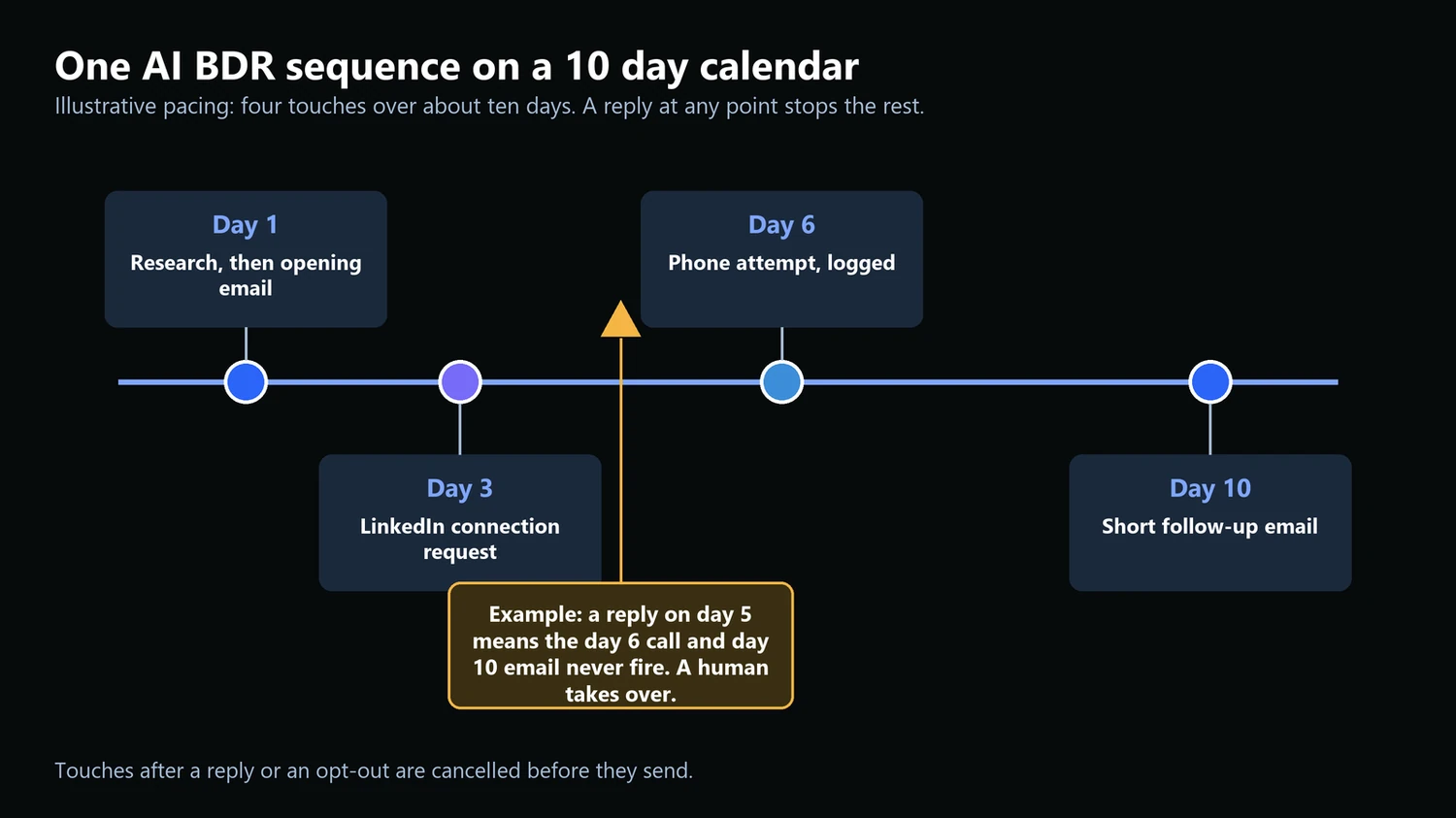
That last step matters as much as the first five. An AI BDR that keeps sending automated messages to someone who already replied looks careless, and it undoes the credibility the outreach was trying to build. Step 6 can fire after step 2 just as easily as after step 5: the sequence stops the moment a real reply arrives, wherever it is in the order.
How to Set Up Your First AI BDR Sequence in 7 Steps
Before you start: you need a CRM or a spreadsheet to hold the target list, a sending domain with email authentication in place (Gmail requires SPF or DKIM from all senders, and SPF, DKIM and DMARC from senders of 5,000 or more messages a day), and a person who will own replies. Plan two to three hours for the first build and one to two weeks for the pilot. Beginner to intermediate. At the end you will have a tested sequence, a stop rule, a compliance checklist and a measurement plan.
Step 1: Write the target list spec
Open your spreadsheet and create one column per field below. Fill the first 20 rows by hand from public sources before you ask any tool to scale it. A row that is missing a field does not enter the sequence.
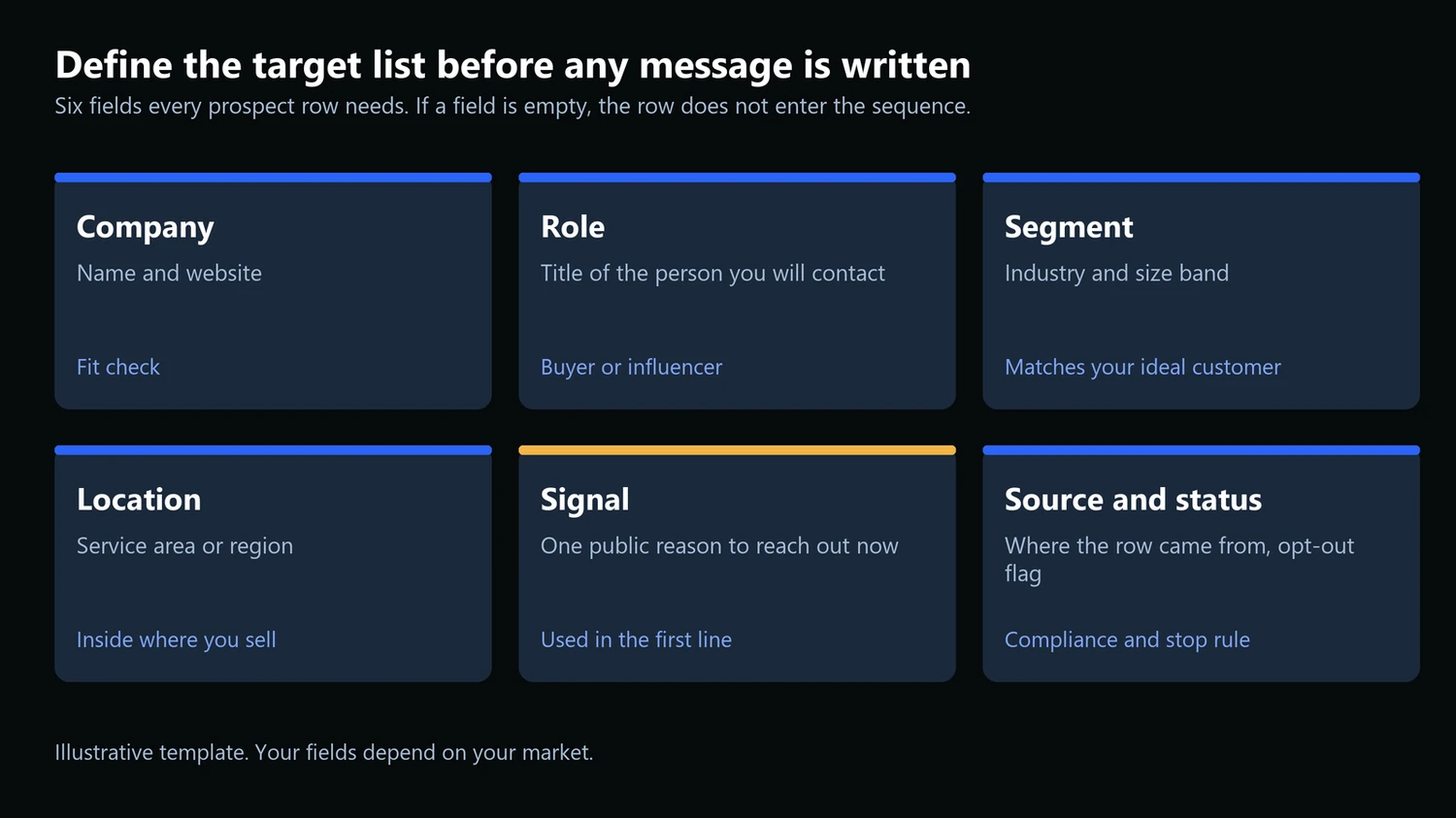
How to check it worked: someone outside your team can read a row and explain why that company is on the list. Common mistake: starting from a purchased, generic contact list instead of a defined list of prospects in a specific service area.
Step 2: Name one public signal per prospect
The signal is the single public fact the opening line will refer to, such as a recent hire, a new location or an overdue inspection. Write the allowed signal types down before the agent researches anything, so it pulls only what you named. Generic openers such as “I hope this finds you well” give the reader nothing specific to answer, which is why the signal field is required.
Step 3: Set channels and pacing
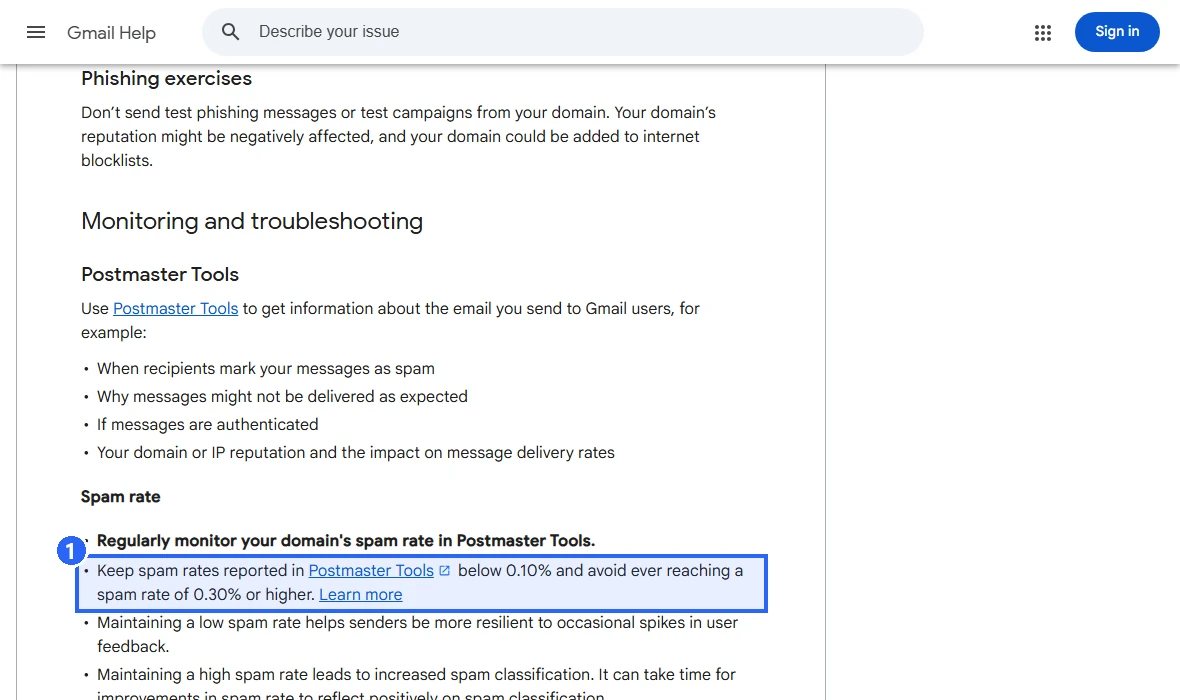
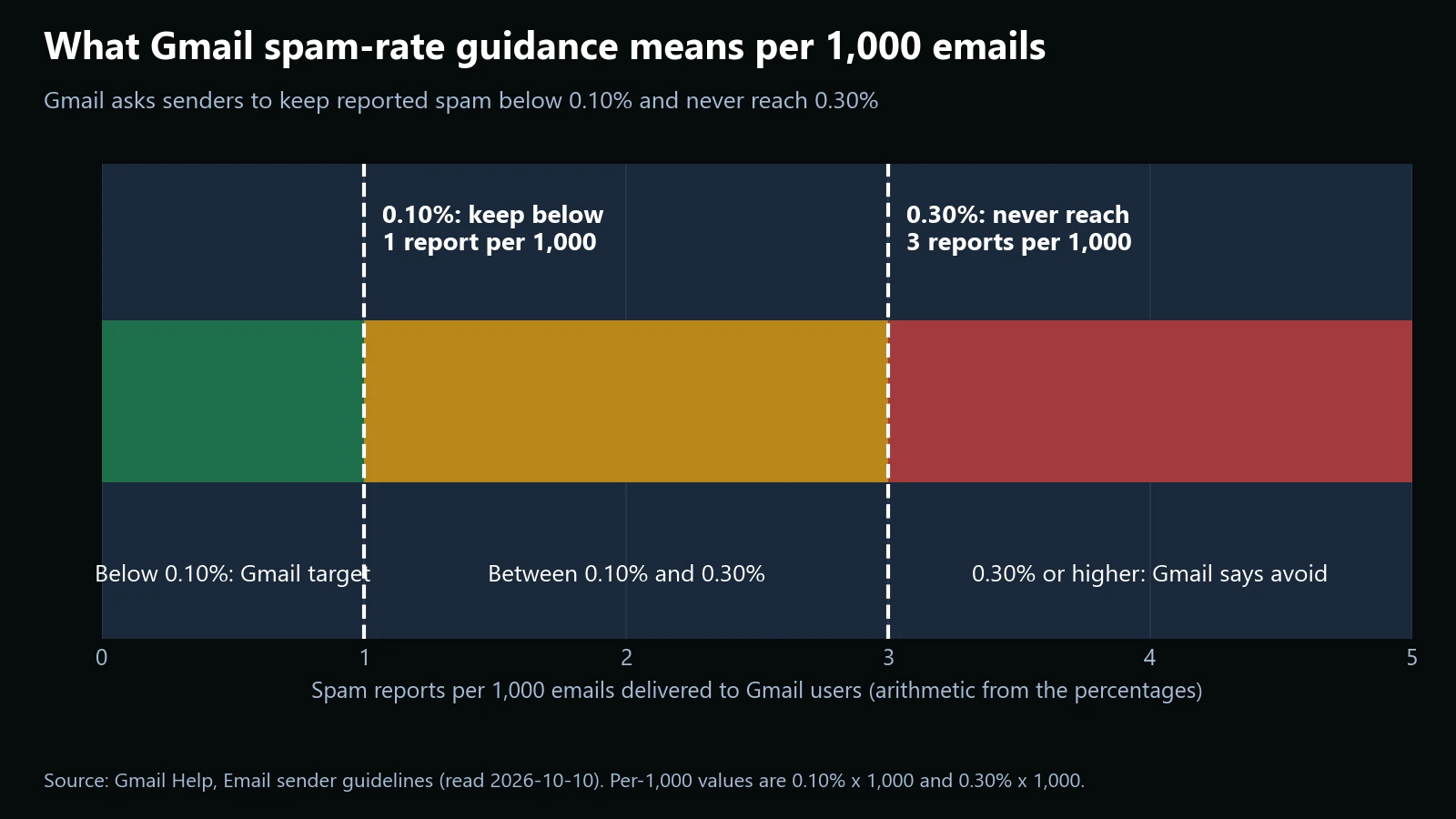
Use the calendar in the timeline above as a starting point: opening email on day 1, LinkedIn request on day 3, call attempt on day 6, short follow-up on day 10. Pacing is also a deliverability decision. Gmail asks senders to keep reported spam below 0.10% and to avoid ever reaching 0.30%, and in plain numbers that is fewer than 1 report per 1,000 delivered emails.
Set up Postmaster Tools for your sending domain before the pilot so you can see the number you are managing.
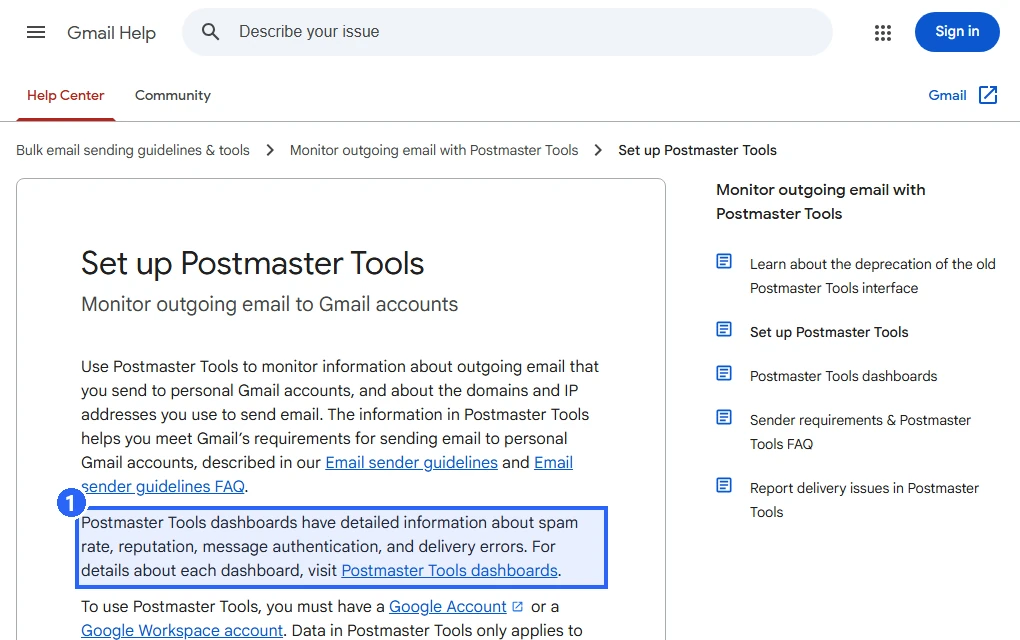
How to check it worked: no prospect receives two touches on the same day, and you can read your spam rate in Google Postmaster Tools. Common mistake: firing several messages in a few days to hurry a result, which is the fastest way to push the reported spam rate up.
Step 4: Write the stop-on-reply rule
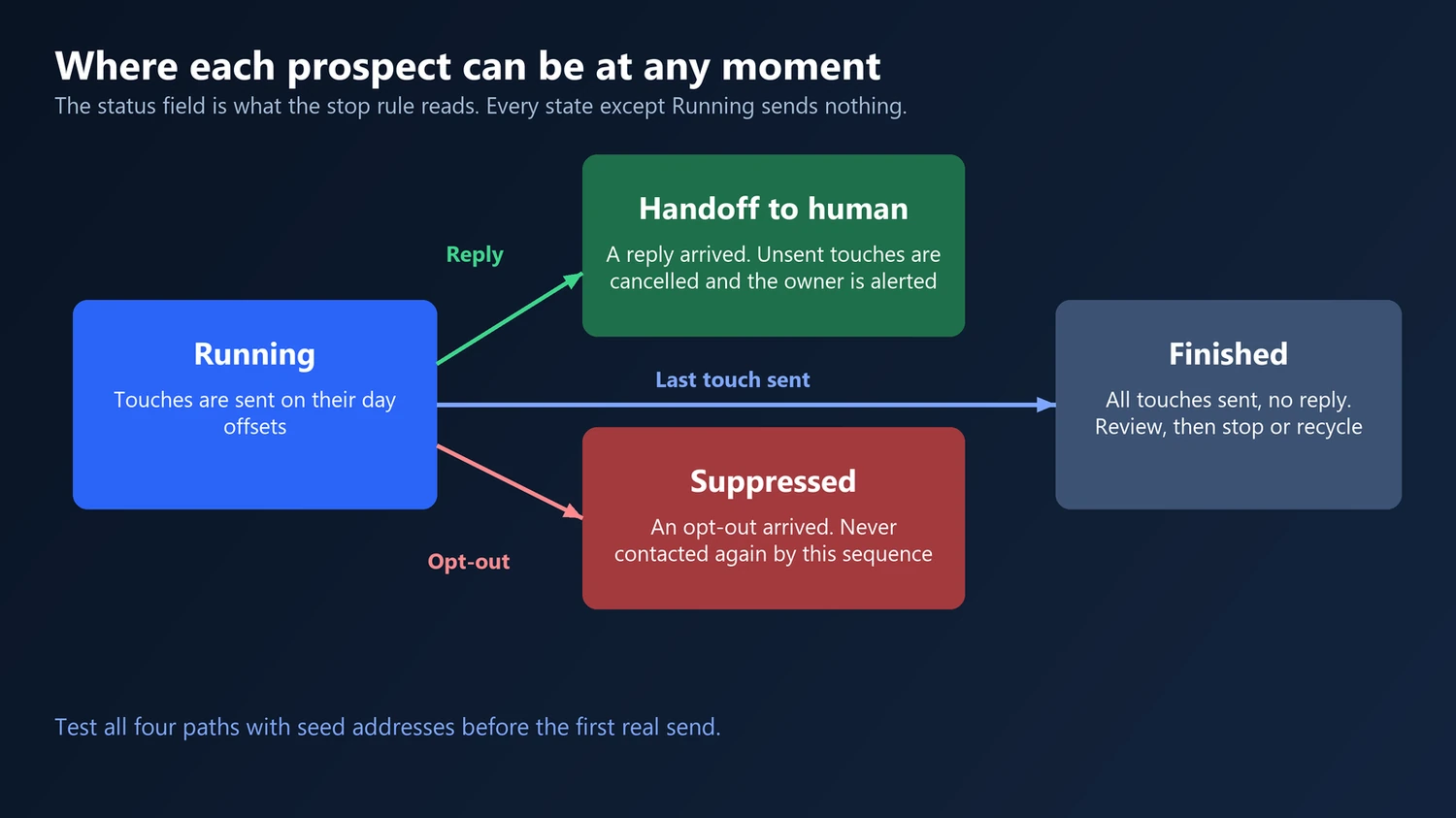
This is the rule that keeps the sequence from embarrassing you. Any reply, or any opt-out, cancels every touch that has not yet been sent. The function below encodes it for a four touch sequence. Run it, then run the tests before you connect it to anything real.
from datetime import date, timedelta

# (day offset from sequence start, channel, touch)
STEPS = [(0, "email", "opening email"), (2, "linkedin", "connection request"),
         (5, "phone", "call attempt"), (9, "email", "short follow-up")]


def touches_due(start, today, sent, replied, opted_out):
    """Return (status, touches due today). Replies and opt-outs cancel everything still unsent."""
    if opted_out:
        return "suppressed", []
    if replied:
        return "handoff to human", []
    due = [(ch, name) for i, (off, ch, name) in enumerate(STEPS)
           if i not in sent and start + timedelta(days=off) <= today]
    return ("running" if due or len(sent) < len(STEPS) else "finished"), due


if __name__ == "__main__":
    start = date(2026, 10, 12)
    print(touches_due(start, date(2026, 10, 14), {0}, False, False))   # day 3: LinkedIn is due
    print(touches_due(start, date(2026, 10, 17), {0, 1}, True, False)) # reply on day 5: nothing fires

# Output of the two print calls:
# ('running', [('linkedin', 'connection request')])
# ('handoff to human', [])
What this does: touches_due returns a status and the touches due today. An opt-out returns “suppressed”, a reply returns “handoff to human”, and otherwise it lists any touch whose day has arrived and has not been sent. Our test file has six assertions (day 1, day 3, reply on day 5, opt-out, finished, nothing due yet) and all pass. Common error: storing a reply in your inbox but not in the status field this function reads, so the rule never sees it.
Step 5: Build compliance into every email
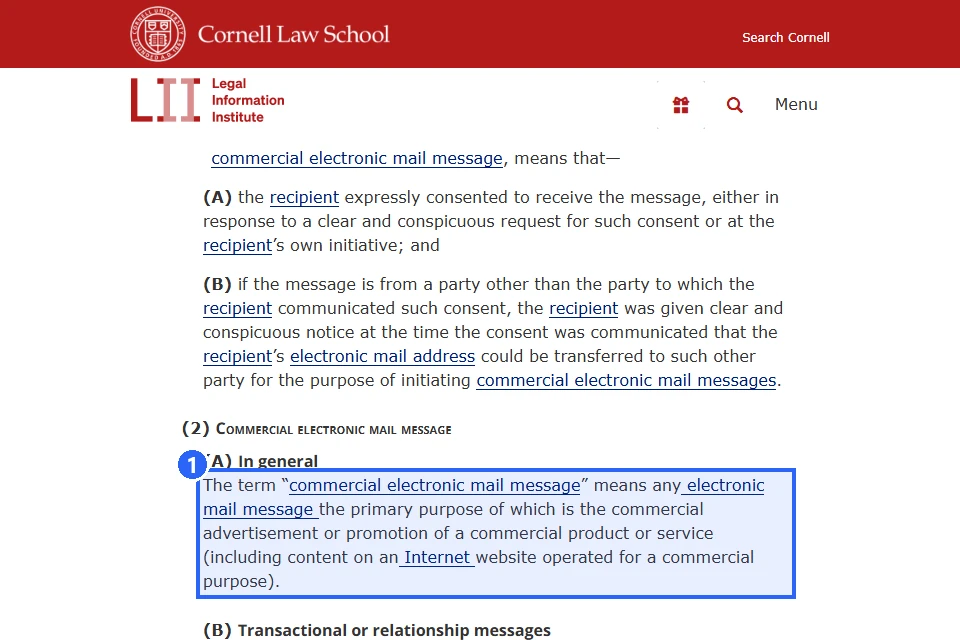
In the United States, commercial email falls under the CAN-SPAM Act, codified at 15 U.S.C. 7704. Each commercial message must provide clear identification that it is an advertisement or solicitation, a clear notice of how to decline further messages, and a valid physical postal address of the sender. The advertisement identification is not required when the recipient has given prior affirmative consent. Once someone opts out, the statute makes it unlawful to send a commercial message that falls within the request more than 10 business days after receiving it, so the stop rule in step 4 should act immediately. This is general information, not legal advice.
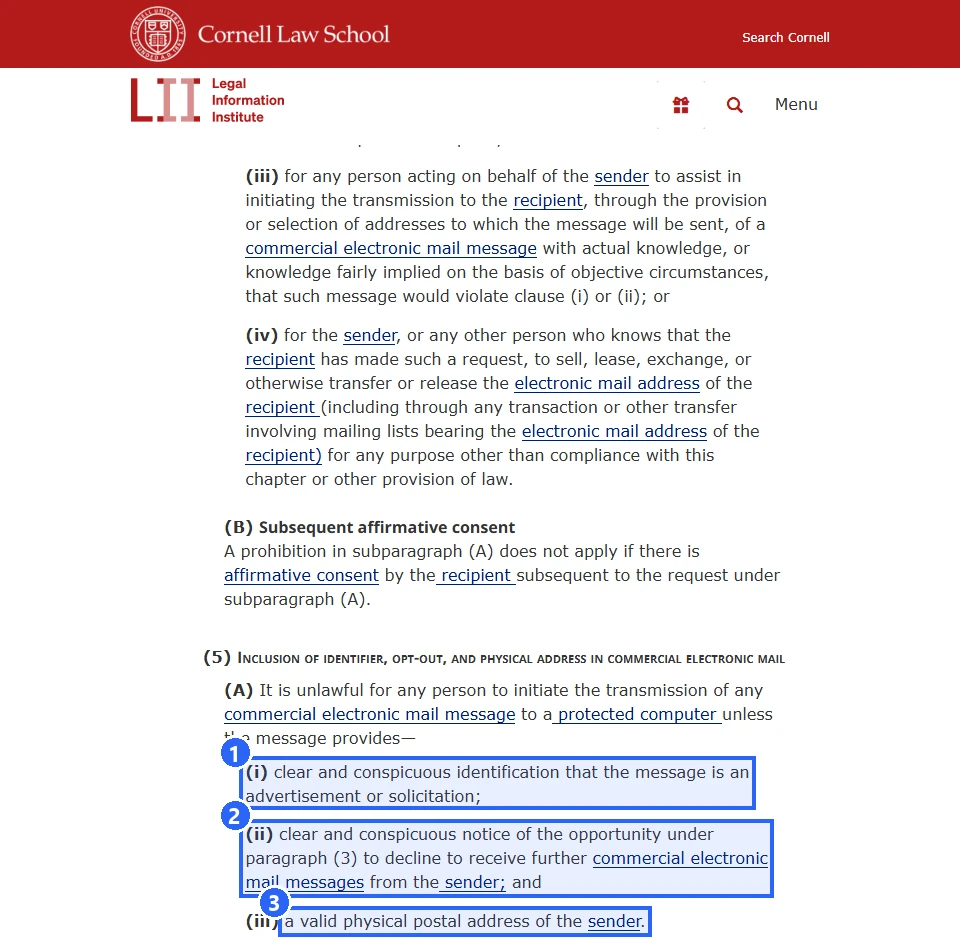
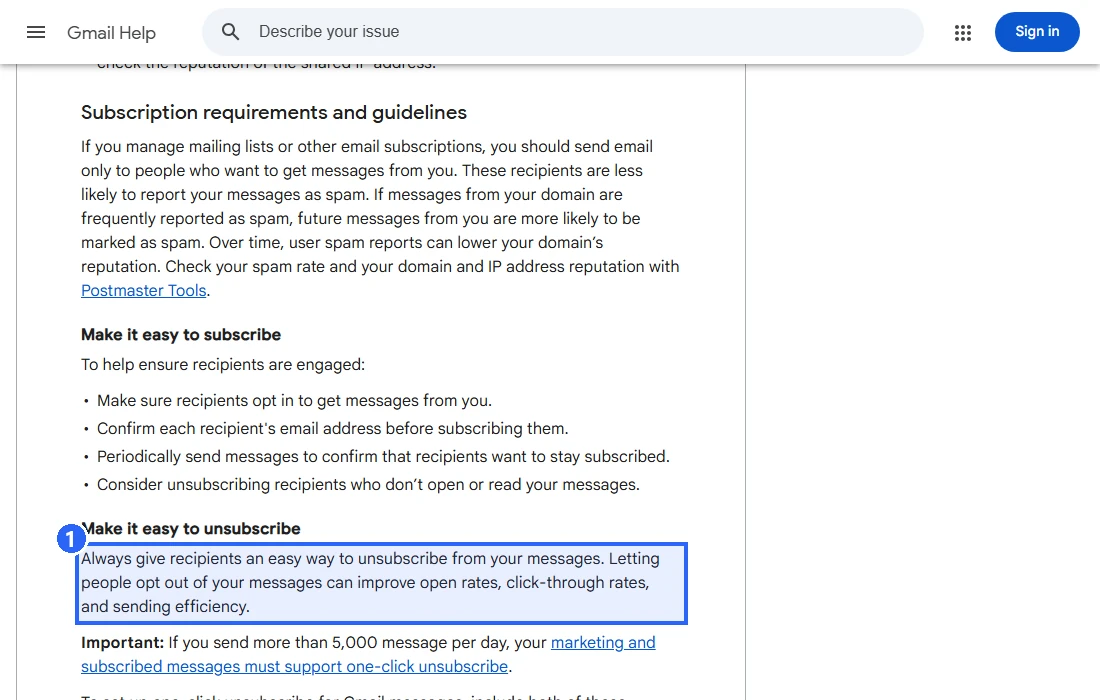
The statute defines a commercial email message by its primary purpose, the commercial advertisement or promotion of a product or service, not by whether the recipient is a business or a consumer. Gmail adds its own expectations: always give recipients an easy way to unsubscribe, and one-click unsubscribe is required for senders of more than 5,000 messages a day.
Step 6: Pilot with about 20 prospects and read every message
Send the sequence to your first 20 hand-checked rows only. Read every drafted message before it sends, and read every reply. Fix the list, the signal or the opening line before you scale. A pilot also tests the handoff: reply to a seed address yourself and confirm that a human is alerted and the unsent touches disappear.
Step 7: Measure four ratios
- Replies divided by prospects contacted: is anyone answering?
- Positive replies divided by replies: is the message landing with the right people?
- Meetings booked divided by prospects contacted: is the handoff working?
- Opt-outs and bounces divided by messages sent: is the list and the pacing clean?
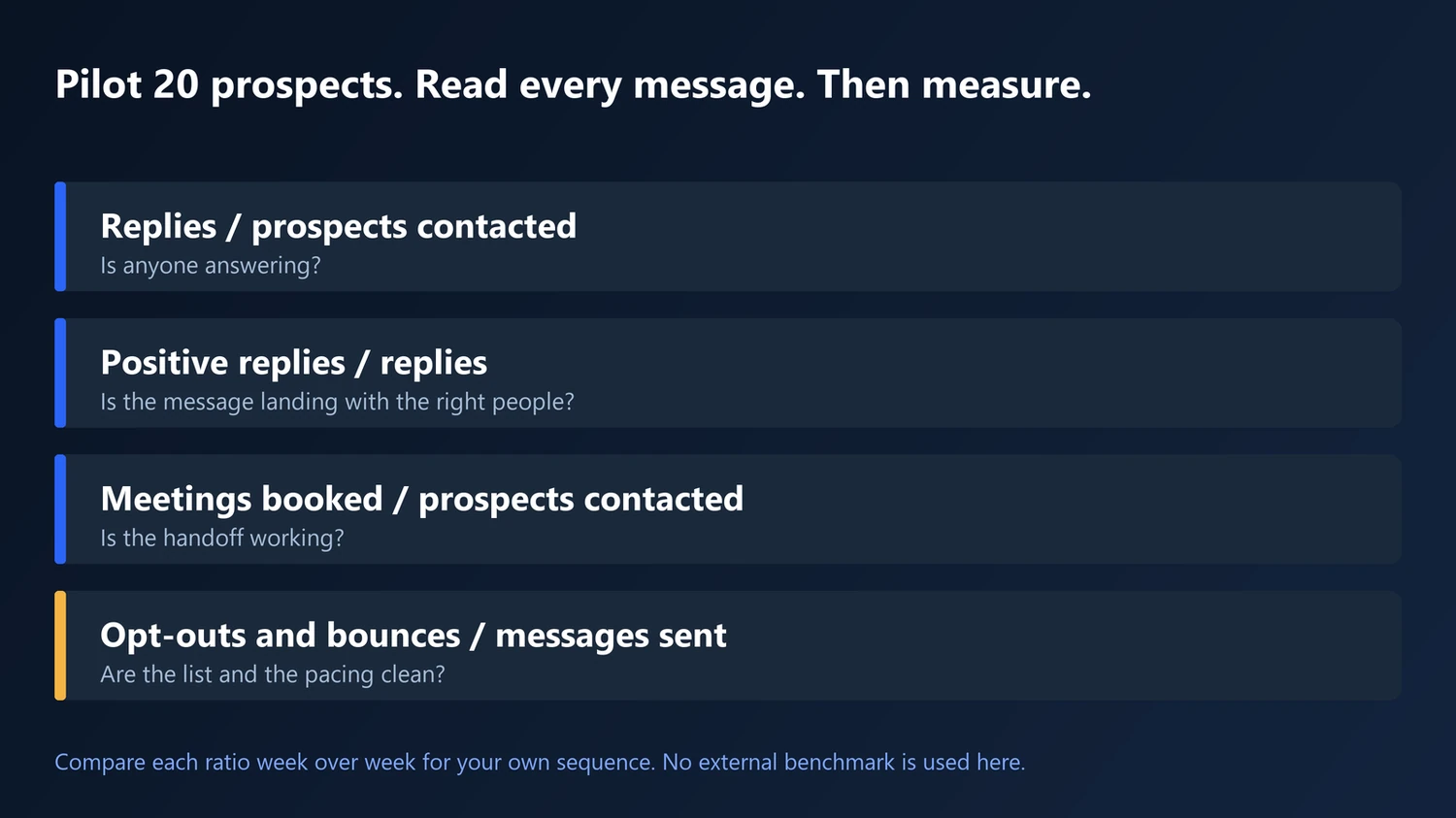
Compare each ratio week over week for your own sequence. We do not quote an industry benchmark here because published reply rates vary widely by list quality and offer. Download the AI BDR sequence template (CSV) to record the steps, day offsets, channels, personalization fields and stop conditions.
What Makes an AI BDR Sequence Work Versus Fall Flat
- A specific, real target list. Outreach to a well-defined list of property managers in a specific service area tends to work better than a broad, loosely defined list.
- Messaging grounded in the actual business. Generic openers get ignored. Messages that reference something specific to the prospect’s situation give the reader a reason to answer.
- Realistic pacing. Spacing touches over one to two weeks reads as persistent and professional, and keeps reported spam low. Sequences that fire many messages in a few days put your sender reputation at risk.
- A clean handoff. The agent needs a clear signal for when to stop automating and hand a live conversation to a person.
How This Fits with Inbound
An AI BDR handles the outbound side, going out and finding prospects who have not come to you yet. It is the counterpart to the inbound qualification work covered in AI agents for sales, which handles leads that already reached out. In a setup that runs both, the outbound sequence can feed the inbound qualification agent once a prospect responds and becomes an active lead.
An AI BDR is also a useful concrete example of a narrowly scoped agent: one task (research and outreach), a small set of tools (email, LinkedIn, a phone dialer), and a clear handoff rule. How to build AI agents walks through that same structure in more general terms, for readers who want to build something similar for a different task.
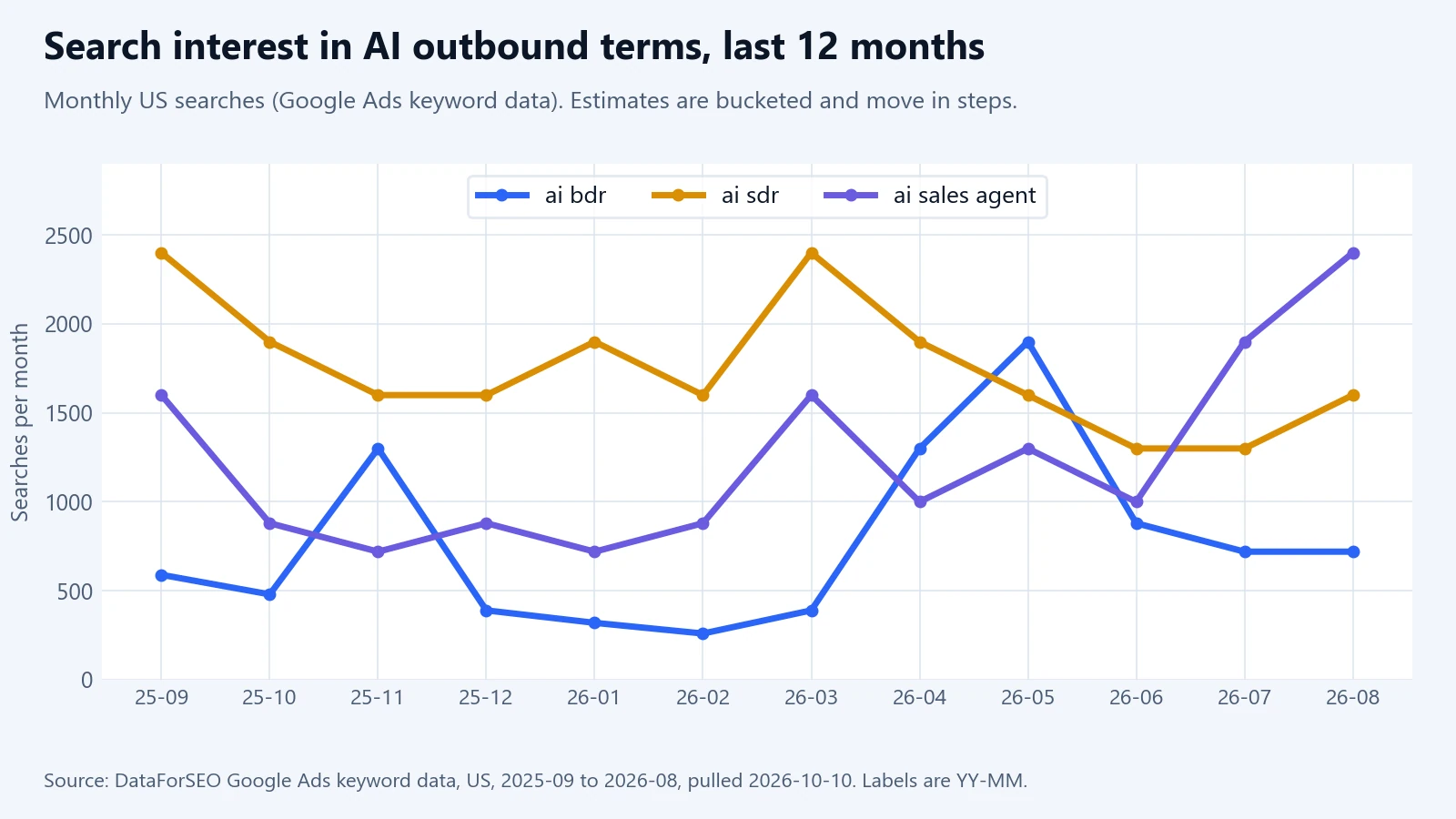
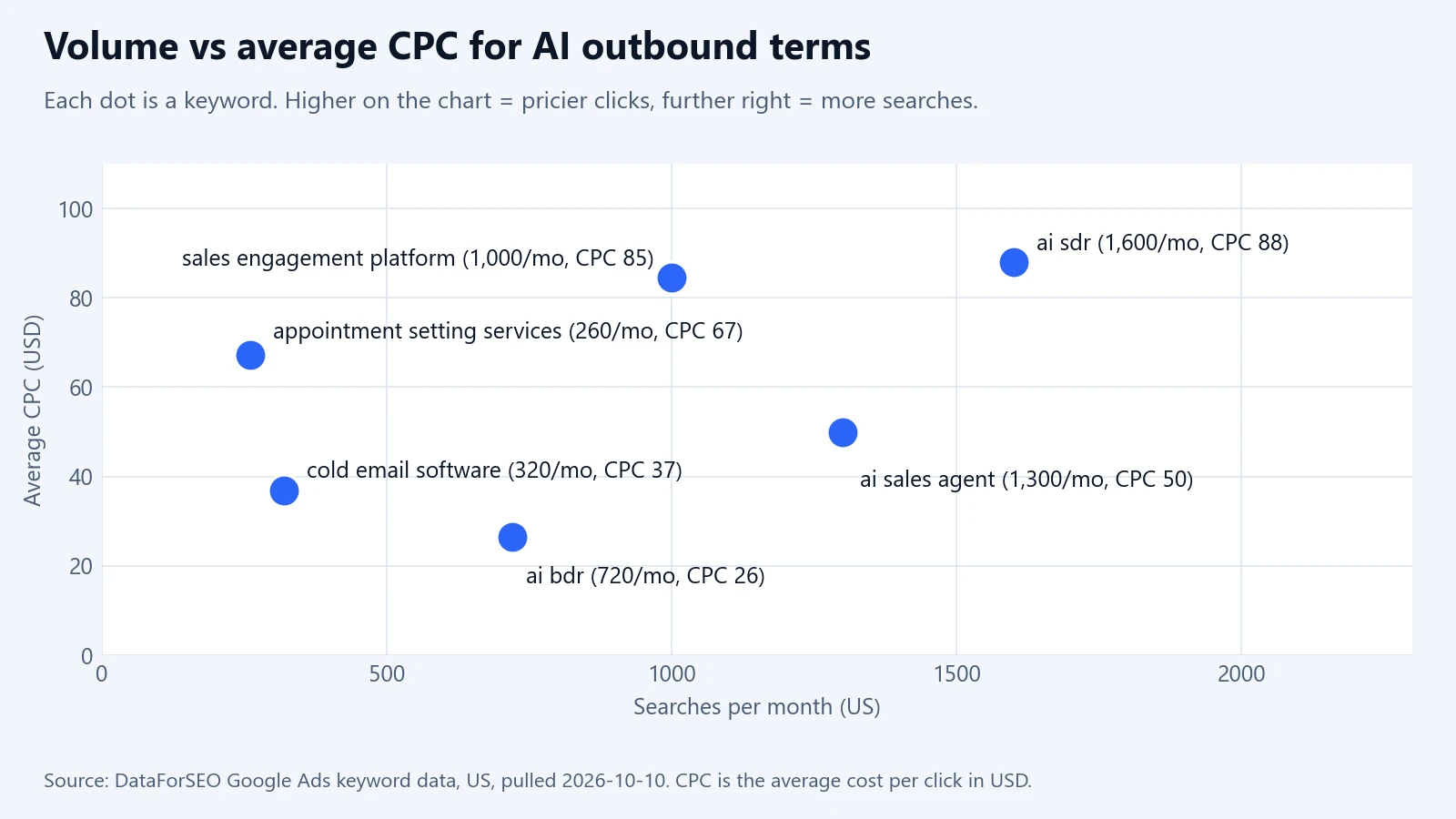
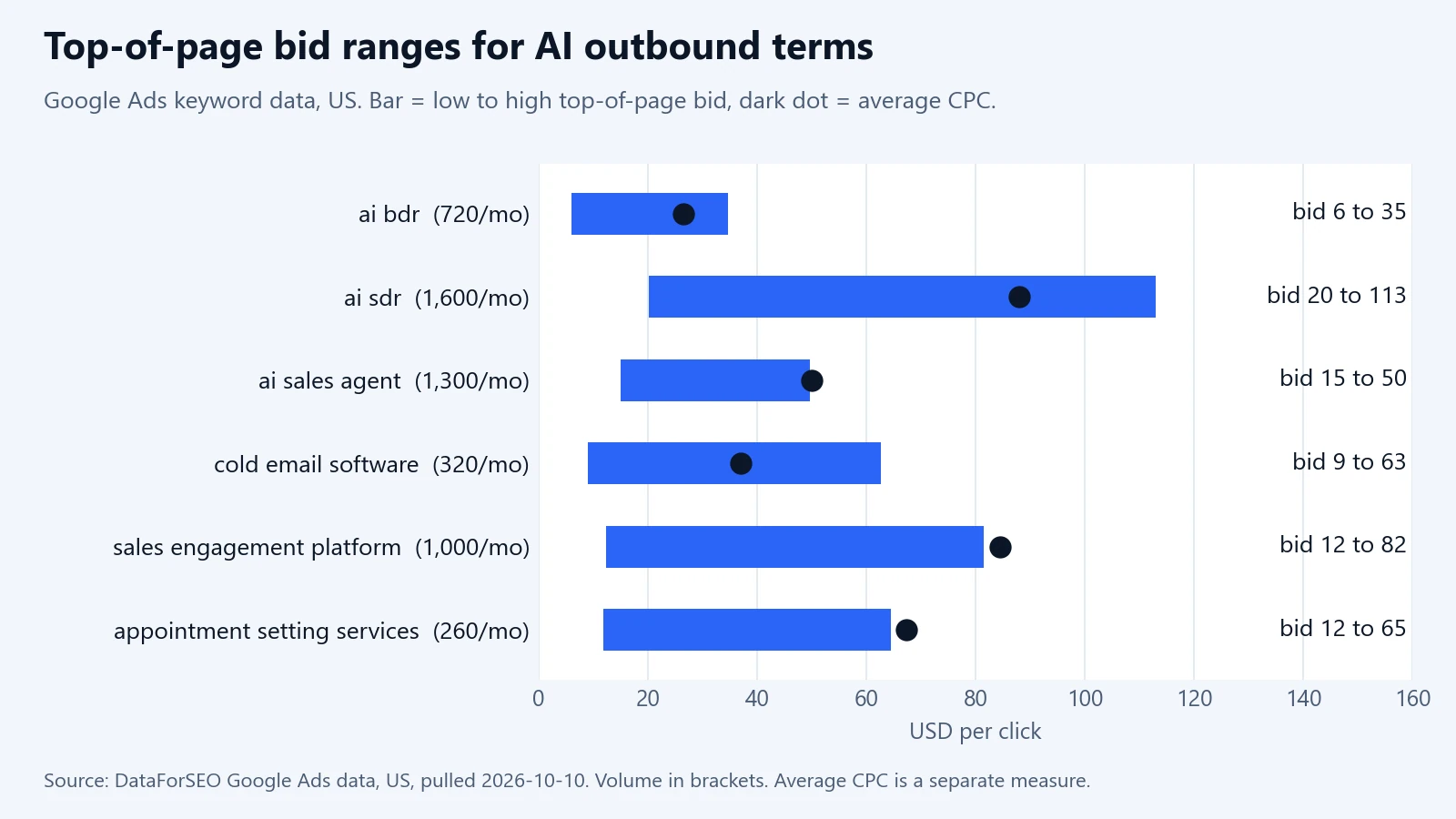
Is anyone looking for this? Google Ads keyword data shows modest but steady US search interest in terms such as ai bdr, ai sdr and ai sales agent, and average clicks on them are expensive, which is one reason outbound sequences are usually built on a defined list rather than bought through ads.
MV3 Marketing builds AI BDR sequences as part of its account-based marketing work, built around a business’s actual target list and service area instead of a purchased, generic contact database.
Troubleshooting: when the sequence misbehaves
| Symptom | Likely cause | Fix |
|---|---|---|
| Automated messages keep going after a prospect replied | Replies are not written to the status field the stop rule reads | Reply to a seed address, confirm unsent touches cancel, and fix the status wiring |
| Many bounces on the first send | List was not verified or is stale | Verify addresses before sending and remove bounced rows |
| Reported spam creeps toward 0.10% | Touches too close together or list too broad | Slow the cadence, narrow the list and check Postmaster Tools |
| A prospect says to stop and gets another email | Opt-out was not applied to the sequence | Suppress at once; never exceed the 10 business day limit |
| Opening lines read as generic | The signal field is empty or vague | Make the signal mandatory for every row |
| Replies sit unanswered | No owner and no alert at handoff | Assign an owner and alert on the first reply |
Checklist recap
- Narrow target list with six fields and one public signal per row.
- Four touches over about ten days, one channel at a time.
- A reply or opt-out cancels every unsent touch, and the rule is tested.
- Every email carries advertisement identification (unless prior consent), an opt-out notice and a postal address.
- Pilot with about 20 prospects, read every message, then scale.
Frequently Asked Questions
What does an AI BDR actually do?
An AI BDR researches prospects against a defined target list, sends outbound emails or LinkedIn messages, and follows up on a set schedule if there is no response, tracking which prospects engage so a human rep can step in once someone replies or shows real interest.
Is an AI BDR the same as a cold email tool?
No. A cold email tool sends messages you write to a list you provide. An AI BDR typically handles more of the sequence itself: follow-up timing, response tracking, and handing off qualified prospects.
How many outreach touches does a typical AI BDR sequence use?
Sequences vary by business. The pattern we build most often is an opening email, a LinkedIn connection request, a call attempt and one short follow-up email over about ten days, mirroring how an experienced human BDR paces outreach rather than sending everything at once.
Can an AI BDR work for a small regional business, not just enterprise sales teams?
Yes. The task, researching a defined list and running a consistent sequence, is the same for enterprise software buyers or property managers in a three-county service area. The list and messaging must be built around the actual business.
Is automated outbound email legal?
In the United States, commercial email falls under the CAN-SPAM Act (15 U.S.C. 7704). Each message must identify itself as an advertisement unless the recipient gave prior affirmative consent, include a clear opt-out notice and a valid physical postal address, and opt-outs must be honored within 10 business days. The law defines a commercial message by its purpose, not by whether the recipient is a business. This is general information, not legal advice.
If outbound prospecting is currently a task that gets done only when someone has spare time, that inconsistency is usually the biggest gap an AI BDR closes. Book a call to see what a sequence built for your target list would look like.
Sources
- HubSpot, Business Development vs. Sales (read 2026-10-10)
- 15 U.S.C. 7704, Cornell LII and 15 U.S.C. 7702 (definitions) (read 2026-10-10)
- Gmail Help, Email sender guidelines (read 2026-10-10)
- DataForSEO Google Ads keyword data, United States, pulled 2026-10-10 (search interest and CPC charts)
Share this article

Vance Moore is Chief Growth Officer at MV3 Marketing and leads its team of SEO professionals, engineers and auditors.
Ready to audit your organic growth opportunity?
$2,500 flat. 5 business days. Six deliverables tied to pipeline , not rankings. No retainer required.
Get the Organic Growth Audit →